Elevate Your Living Area: Your Complete Guide to Choosing the Perfect Rooflight for Your Home
Picking the right rooflight can greatly affect a home's ambiance. It enables a balance of natural light and style that elevates the overall living environment. Multiple types exist, each with distinct benefits and considerations. Aspects such as size, material, and energy efficiency play vital roles in making the right choice. Understanding these components is vital for achieving the desired transformation in any space. What should one focus on when selecting the perfect rooflight?
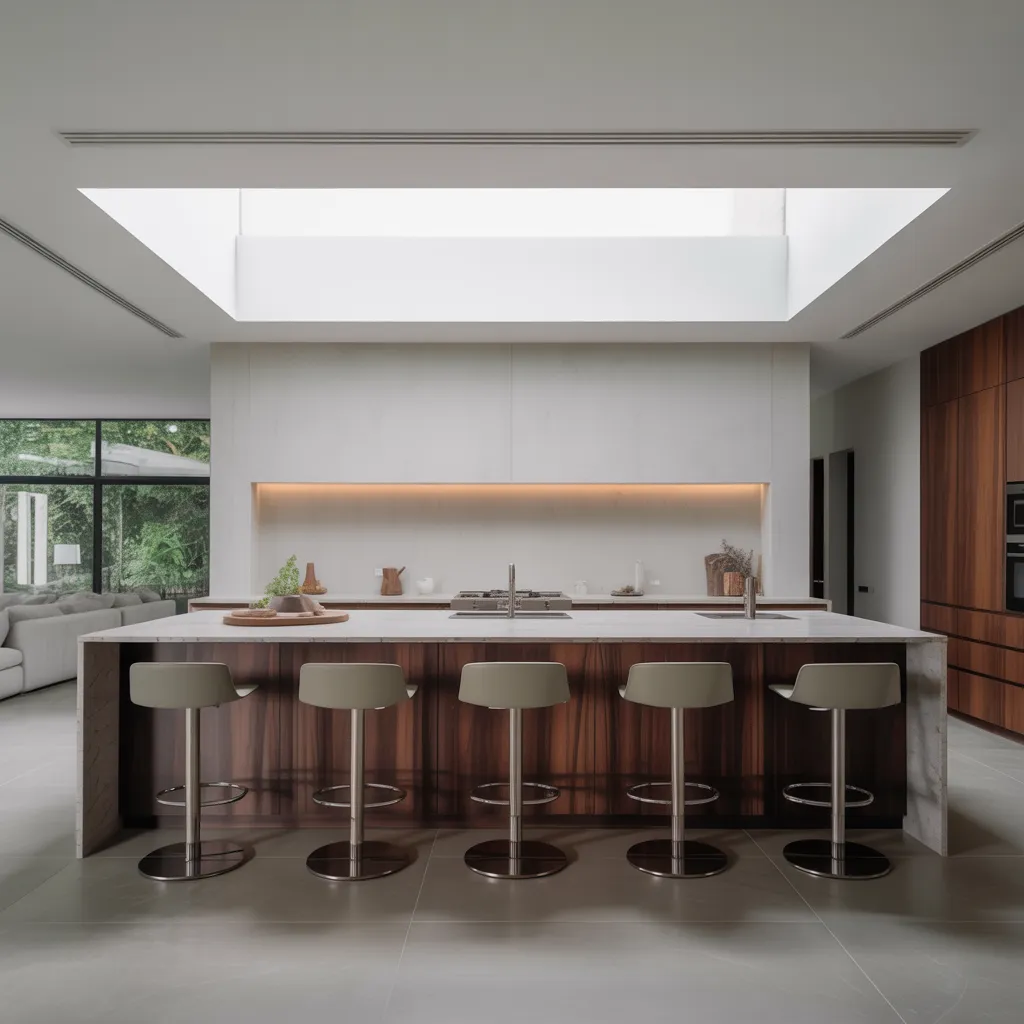
Comprehending Various Kinds of Rooflights
Upon selecting a rooflight, homeowners need to first recognize the multiple types available to make an informed decision. Rooflights chiefly fall into three categories: fixed, vented, and tubular. Fixed rooflights are designed to supply natural light without ventilation, making them suitable for spaces where airflow is unneeded. Vented rooflights, alternatively, provide both light and the option to open, permitting increased air circulation and temperature control. Tubular rooflights are space-saving and created to guide daylight through reflective tubing, making them ideal for locations where traditional rooflights may not fit. Each type serves distinct purposes and aesthetic preferences, with factors such as energy efficiency, installation complexity, and maintenance needs shaping the choice. Understanding these categories helps homeowners to pick the right rooflight that suits their home's architecture while satisfying their specific lighting and ventilation needs.

Advantages of Installing Rooflights
Though countless homeowners tend to overlook the impact of natural light, fitting rooflights can considerably boost both the aesthetic and functional qualities of a home. By enabling sunlight to pour in, rooflights establish a more welcoming atmosphere, making spaces feel larger and more open. This addition of natural light can substantially enhance mood and health, reducing relying on artificial lighting during the day.
Along with their aesthetic appeal, rooflights can also boost energy efficiency. By utilizing solar energy, they aid in regulate indoor temperatures, possibly reducing heating and cooling costs. Moreover, rooflights offer excellent ventilation options, facilitating better air circulation and enhancing indoor air quality.
Additionally, rooflights can serve as a distinctive architectural feature, providing distinction and value to a home. Whether in a kitchen, living room, or hallway, their multi-functionality makes them an appealing choice for homeowners looking to elevate their living spaces.
Main Points to Keep in Mind When Deciding on a Rooflight
How does one choose the right rooflight to complement their home? Several key factors should be evaluated to ensure the selection aligns with both aesthetic preferences and functional requirements. First, the size of the rooflight should be proportional to the room and the existing roof structure, ensuring it enhances rather than overwhelms the space. Second, the style of the rooflight should match the architectural design of the home, whether modern, traditional, or minimalist.
Moreover, the material is crucial for durability and insulation; options include glass, polycarbonate, and even timber frames. Energy efficiency should also be a priority, as picking rooflights with proper glazing can help regulate temperature and decrease energy costs. Ultimately, local building regulations and planning permissions may influence the choice, securing compliance with legal standards. By meticulously examining these factors, homeowners can make informed decisions that improve their living spaces.
How Rooflights Boost Natural Light
Rooflights effectively amplify natural illumination in a home, creating more luminous and welcoming living spaces. By permitting sunlight to stream in from above, rooflights decrease dependence on artificial lighting in daylight hours, which can lead to energy savings. This introduction of natural light can also boost mood and total wellbeing, making spaces feel airier and more open.
Furthermore, rooflights can work to accentuate architectural features and design elements within a room, adding depth and character. In dimmer areas of the home, such as hallways or staircases, rooflights can act as an essential source of lighting, transforming these often-overlooked spaces into lively areas.
The careful arrangement of rooflights can additionally create a sense of connection to the outdoors, bringing the beauty of the sky and evolving weather patterns into the home. Overall, the addition of rooflights can significantly enhance the quality of light and atmosphere in any living space.
Important Installation Elements for Rooflights
When evaluating the installation of rooflights, homeowners must take into account several factors that can affect both functionality and aesthetics. The selection of location is vital; rooflights should be placed to increase natural light while bypassing potential obstructions including trees or neighboring buildings. Moreover, the type of roof structure performs an important function in the installation process, as flat roofs may necessitate particular design modifications compared to pitched roofs.
In addition, local building codes and planning permissions should be examined to guarantee compliance, as restrictions may change by region. The decision of materials is also important, as different options provide varying levels of insulation, durability, and light transmission. Homeowners should also consider professional installation to confirm proper sealing and prevent leaks, which can diminish the rooflight's effectiveness. Eventually, careful planning during installation can enhance the overall benefits of rooflights while promoting a seamless integration into the home's design.
Maintenance Tips for Your Rooflight
Although caring for a rooflight may seem simple, routine upkeep is critical to maintain its lifespan and efficiency. Property owners should consistently examine the rooflight for signs of damage, such as splits or moisture issues, especially after heavy weather. Maintaining check this resource the glass and frame no less than biannually works to prevent debris gathering, which can impede light and contribute to damage.
Additionally, checking the seals and gaskets for wear can stop leaks and drafts. If any defects are discovered, prompt repairs are vital to avert more extensive damage. It is also recommended to verify that neighboring vegetation is trimmed back to stop scratching and to facilitate maximum natural light entry.
Finally, referring to the manufacturer's guidelines for specific maintenance recommendations can offer tailored care strategies. By adhering to these maintenance tips, homeowners can ensure their rooflight remains a practical and aesthetically pleasing feature for years to come.
Frequently Asked Questions
Is It Possible to Install Rooflights in Existing Roofs?
Installing rooflights in existing roofs is entirely feasible. Property owners frequently require expert help to assess structural integrity and confirm professional installation, permitting natural light to brighten indoor spaces without impacting roofing integrity.
How Much Should You Expect to Pay for Rooflight Installation?
Average costs of rooflight installation generally ranges from $1,000 to $3,000, depending on factors such as size, type, and complexity of the installation. Added expenses may come from necessary structural modifications or permits.
How Energy Efficient Are Rooflights?
Double or triple-glazed rooflights offer excellent energy efficiency. They boost natural illumination, decreasing dependence on electric lighting, and enhance insulation, contributing to consistent indoor comfort levels and potentially decreasing utility expenses.
Is Planning Permission Required for Rooflights?
Roof lights might require planning permission subject to local regulations and the individual characteristics of the installation. Homeowners are advised to consult their local planning authority to verify compliance with any applicable building codes and zoning laws.
How Can I Improve Rooflight Insulation?
To upgrade rooflight insulation, one can incorporate double or triple-glazed units, employ insulated frames, install thermal linings, and ensure adequate sealing around the edges to reduce heat loss and enhance energy efficiency.